Latest News & Updates
Starting a Financial Brokerage: Network Infrastructure and Server Hosting
How a new brokerage should plan its network infrastructure and server hosting, from IaaS providers to baremetal and virtual servers.
By Tommy Wong | April 2, 2025
Short Answer
Network infrastructure is the backbone of an online brokerage, directly affecting latency, reliability and client experience. For startups without in-house expertise, outsourcing to an IaaS provider is often the best option, with key choices including baremetal versus virtual servers, server location, redundancy, cross-connections with LPs and 24/7 support.
In our previous blog articles, we discussed the corporate requirements for setting up your brokerage:
Starting a Financial Brokerage: Crafting Your Business Model
Starting a Financial Brokerage: Legal Framework and Licensing for Your Financial Brokerage
Once you’ve secured your financial license, the next step is to focus on the technical components that will establish a strong foundation for your brokerage. These components include:
- Network Infrastructure and Server Hosting
- Trading Platform
- Liquidity Provider
- Multi-Asset Connectivity Bridge
Each of these components is vital to the success of your brokerage. To provide a more in-depth understanding, we will break down the discussion into two blog articles. In this article, we’ll focus on Network Infrastructure and Server Hosting.
Why Network Infrastructure Matters
Network infrastructure is the backbone of any online financial brokerage. It directly impacts performance, reliability, and client experience. Poor infrastructure can lead to:
- High latency, causing delays in trade execution.
- Slow performance, frustrating clients and driving them to competitors.
- Operational downtime, resulting in financial and reputational losses.
In short, a robust infrastructure is essential for ensuring seamless operations, especially in a competitive market where speed and reliability are critical.
How to build your network infrastructure?
There are several approaches to building your network infrastructure. However, as a startup, if you lack technical expertise and resources, outsourcing to specialized providers is often the best option.
Outsourcing to IaaS Providers
Infrastructure-as-a-Service (IaaS) providers have the expertise to create customized setups tailored to your brokerage's needs. They can optimize your infrastructure for:
- Low latency and high performance.
- Scalability to handle increasing client demand.
- Security and compliance with industry regulations.
Partnering with an IaaS provider also gives you access to valuable insights and recommendations that can improve your overall setup.
Baremetal Servers vs. Virtual Machine Servers
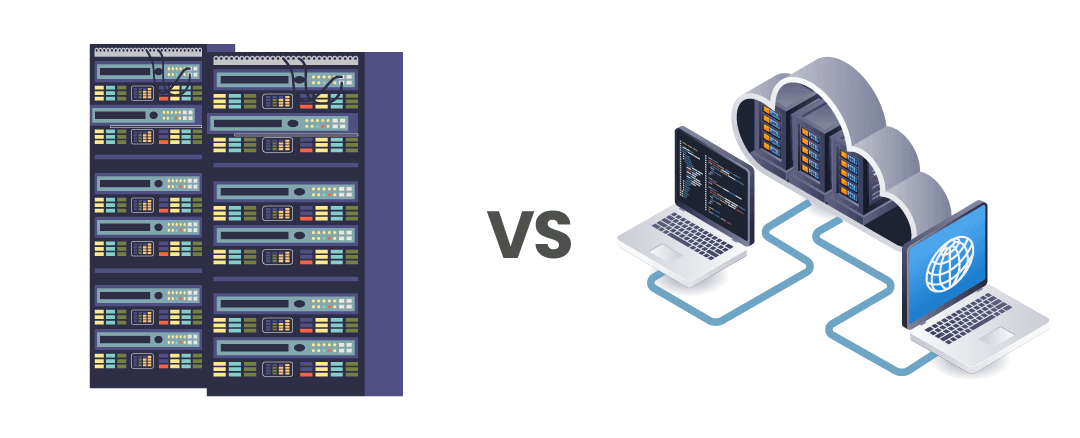
One of the first decisions you'll face is whether to use baremetal servers or virtual machine servers. Both have their pros and cons:
- Baremetal Servers: Dedicated physical servers with high performance and reliability. Ideal for brokerages requiring maximum control and processing power.
- Virtual Machine Servers: Cost-effective and scalable, but with shared resources, which may result in slightly lower performance.
For more details on this topic, check out our article: Things to consider when choosing a MT5 hosting provider (Part 1)
Other Key Considerations for Network Infrastructure
When setting up your network infrastructure, there are several factors that you should carefully evaluate:
1. Location of the Infrastructure
The location of your servers affects latency. Choose a location close to your liquidity providers to reduce delays in trade execution.
2. Business Continuity Plans
Ensure your infrastructure provider offers redundancy, backup systems, and disaster recovery plans to minimize downtime.
3. Customer Connectivity
Reliable and fast client access to your trading platform is critical. Your infrastructure must support uninterrupted connections, even during peak trading hours.
4. Customer Support from Hosting Providers
Choose a provider with 24/7 technical support to address any issues promptly.
For a deeper dive into these considerations, refer to our article: Things to consider when choosing a MT5 Hosting provider (Part 2).
Additional Factors to Consider
When choosing your network infrastructure provider, keep the following in mind:
- Highly Redundant Infrastructure: Prevents downtime and ensures seamless operations.
- Cross-Connections with Liquidity Providers (LPs): Reduces latency and improves execution speed.
- Real-Time Server Monitoring and Alerts: Proactively identifies and resolves issues before they affect your operations.
- Expertise in Trading Platforms (MT4/MT5): Ensure your provider has experience with these platforms to support smooth integration and operation.
Neglecting any of these factors can lead to significant issues, including downtime, compliance problems, and client dissatisfaction, all of which could jeopardize your brokerage's success.
Conclusion
Choosing the right network infrastructure and hosting setup is one of the most critical decisions when starting a financial brokerage. A well-optimized infrastructure ensures low latency, high reliability, and excellent trading experience for your clients.
Take the time to evaluate potential providers based on their expertise, scalability, and ability to meet your specific needs. Remember, your infrastructure is the foundation of your brokerage, building it right from the start is key to long-term success.
Key takeaways
Poor infrastructure leads to high latency, slow performance and operational downtime
Startups without technical expertise often do best by outsourcing to IaaS providers
Baremetal servers offer more performance and control; virtual machines are cheaper and scalable
Hosting servers close to your liquidity providers reduces trade execution delays
Look for redundancy, cross-connections with LPs, real-time monitoring and MT4/MT5 expertise
Frequently asked questions

Latest News
Stay connected with our latest updates